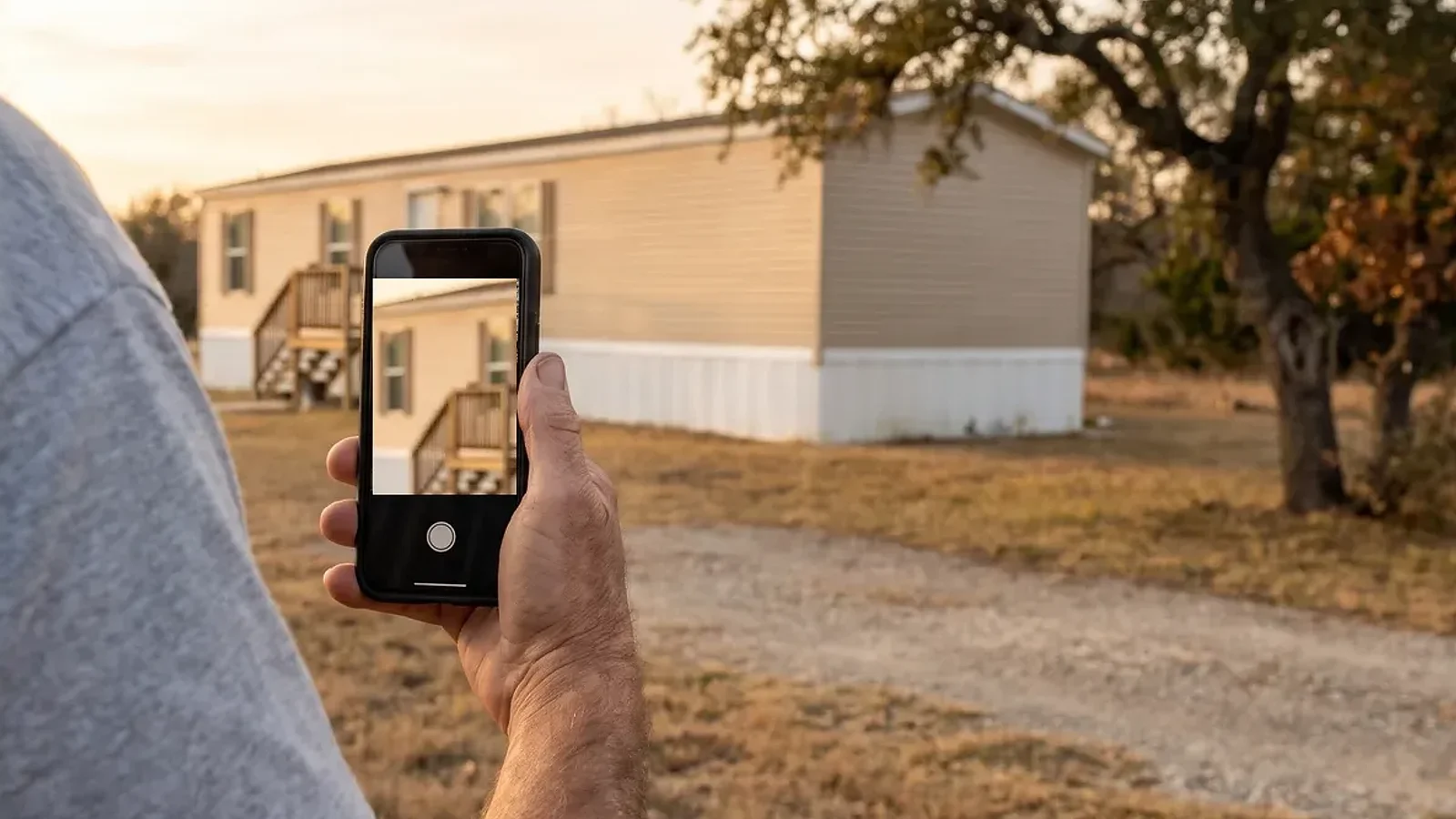
What to Send for a Cash Offer: The Photos and Facts That Get You a Real Number
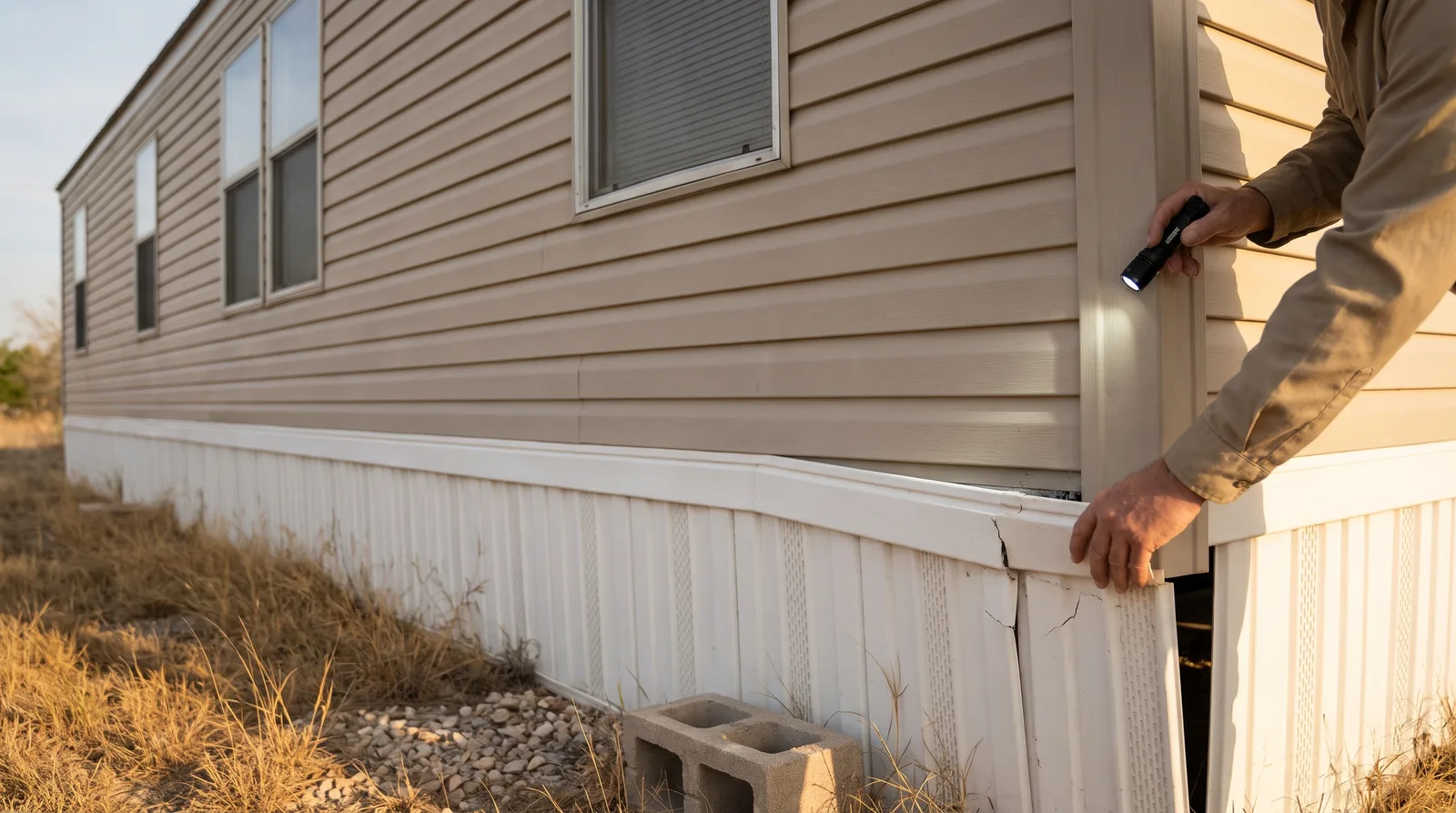
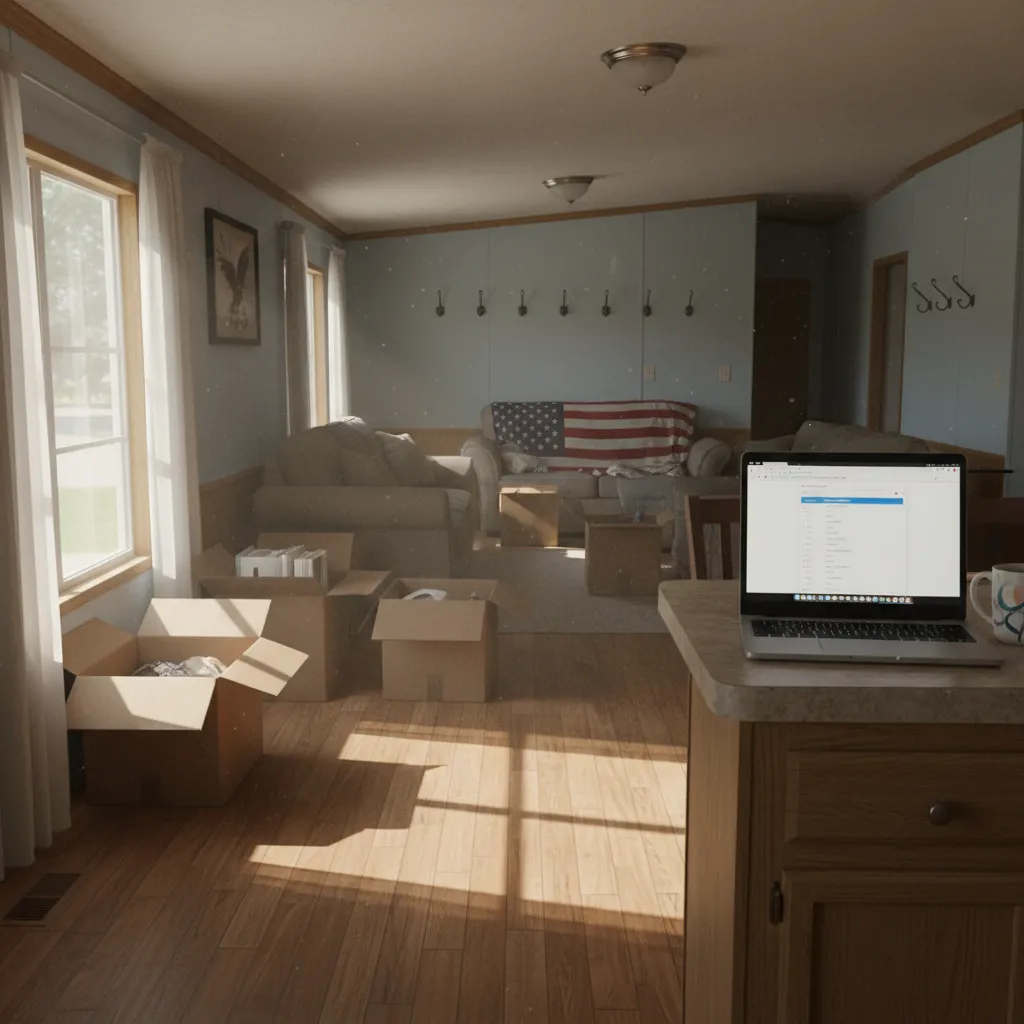
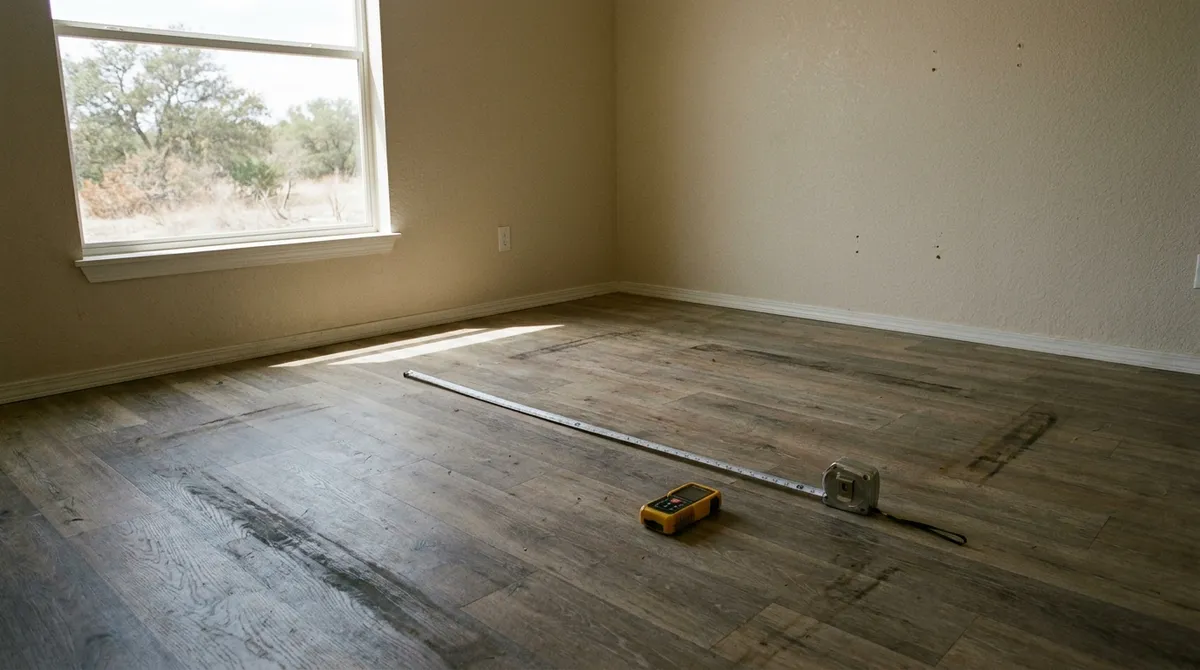
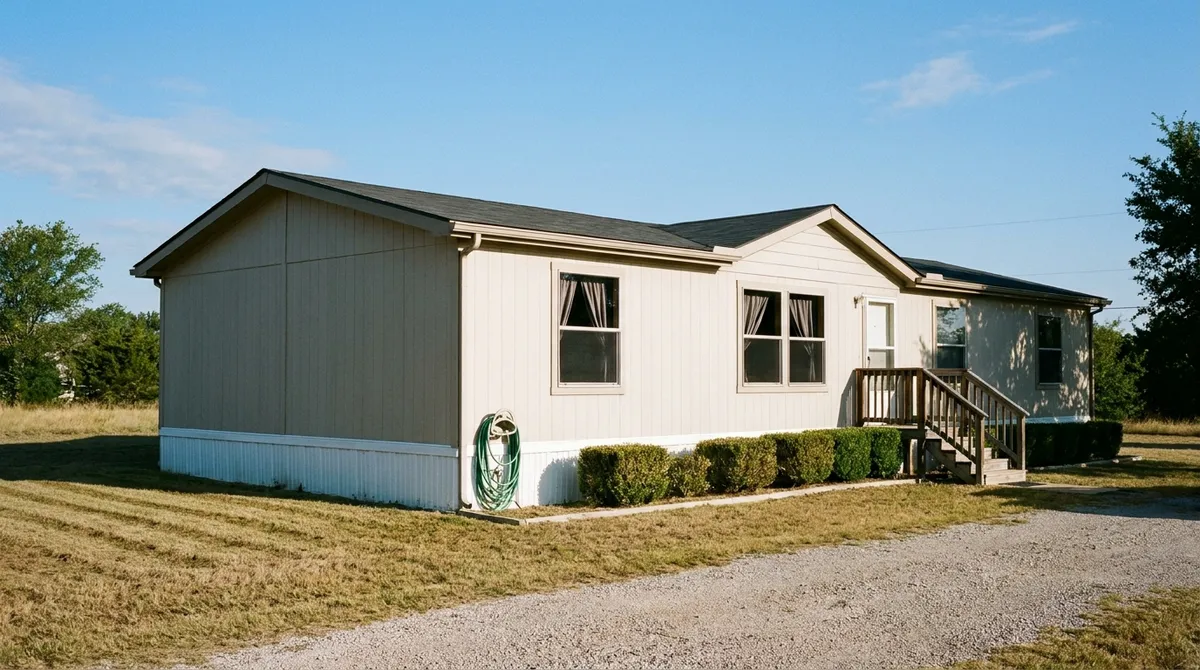
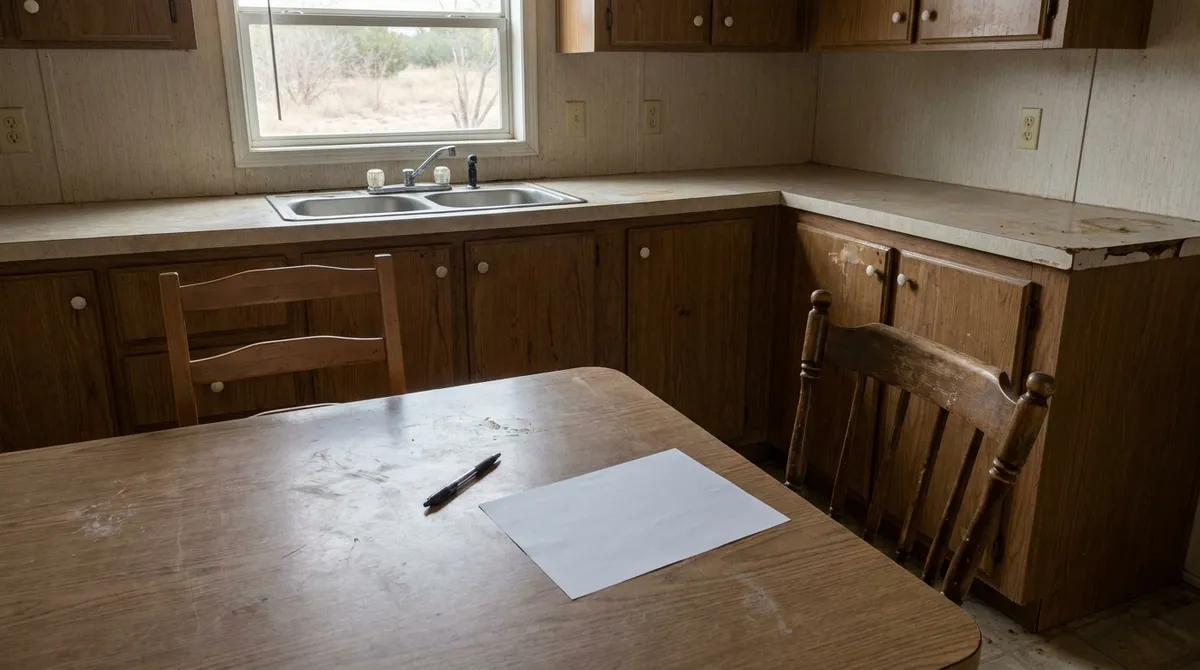
Every room, the outside from each side, the worn spots, the HUD label and a few plain facts. Send them together and the offer you get back is one that holds up.
Expert advice on selling your manufactured home — from park sales to market trends.
Every room, the outside from each side, the worn spots, the HUD label and a few plain facts. Send them together and the offer you get back is one that holds up.
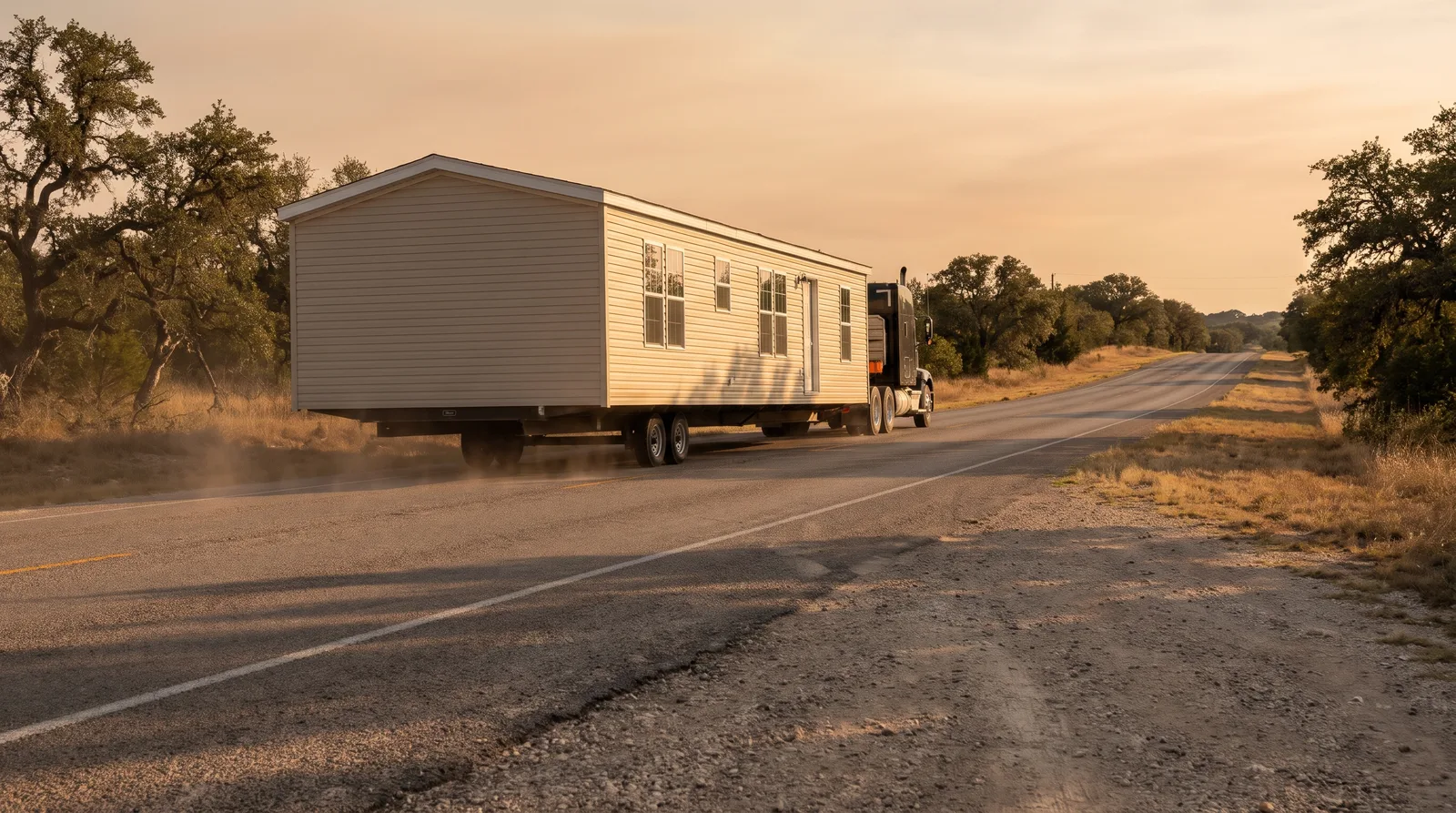
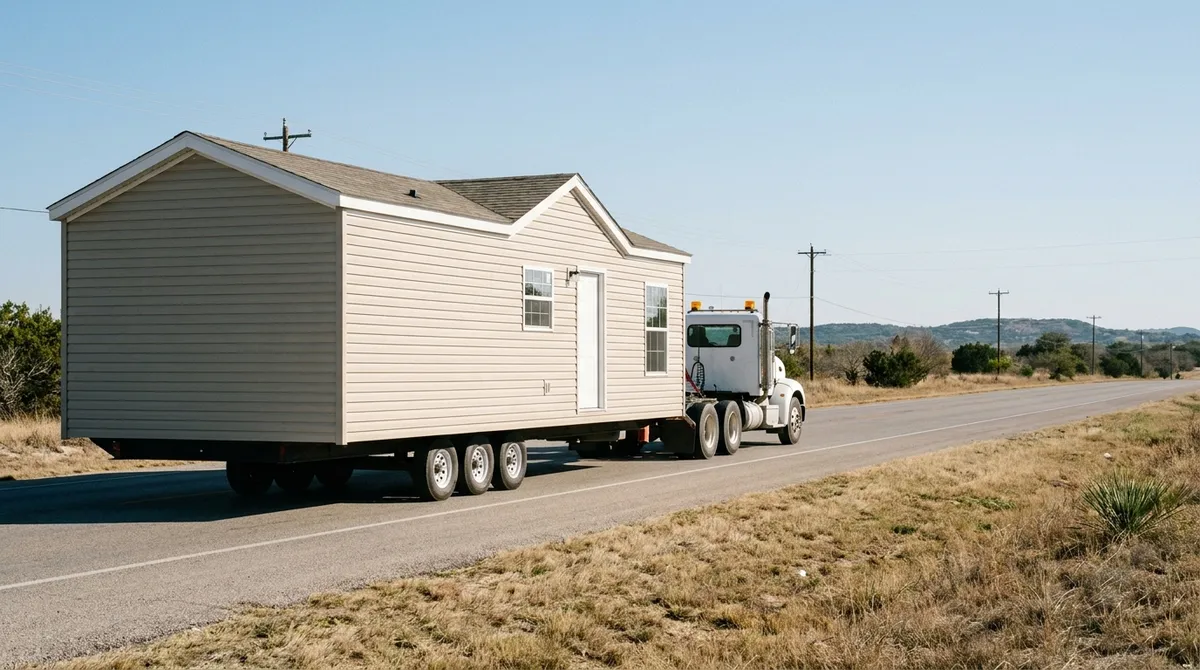
The park's notice period, the mover it will accept and what stays on the lot decide when a sold home can leave the park, and you usually pay lot rent until it does.
If the park lets it stay, the home is sold where it sits to a buyer the park approves. If it has to leave, licensed movers take it, and it's fixed and sold again.
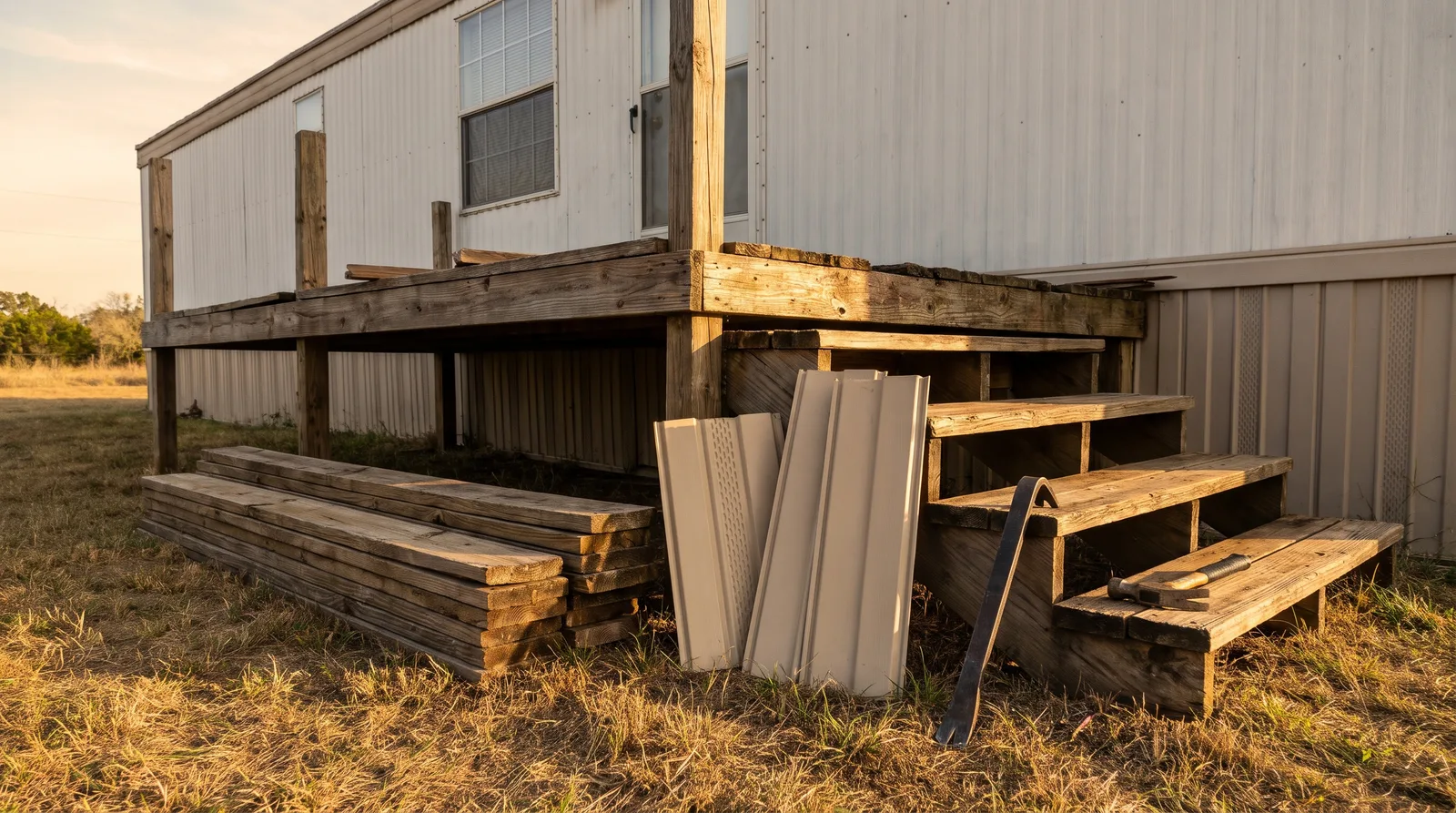
Your move-out date is set before closing. Here's when to turn off the power and water, what stays with the home, and why the porch and skirting are yours to take down when we're moving the home.
The higher price isn't always more money. Get the take-home amount, the inspection window, who pays to move the home and the closing date in writing from both buyers.
A park that says it will buy your home can take months and then back out. Keep the home for sale until the park gives you a price and a closing date in writing.
Add up what one more month listed costs you, then set it against the gap between the listing and our cash number. Switch to cash when the months would eat the gap.

A cashier's check, a wire or a mailed check: how each one reaches you, how long it takes, and why we never change your bank details because of an email.

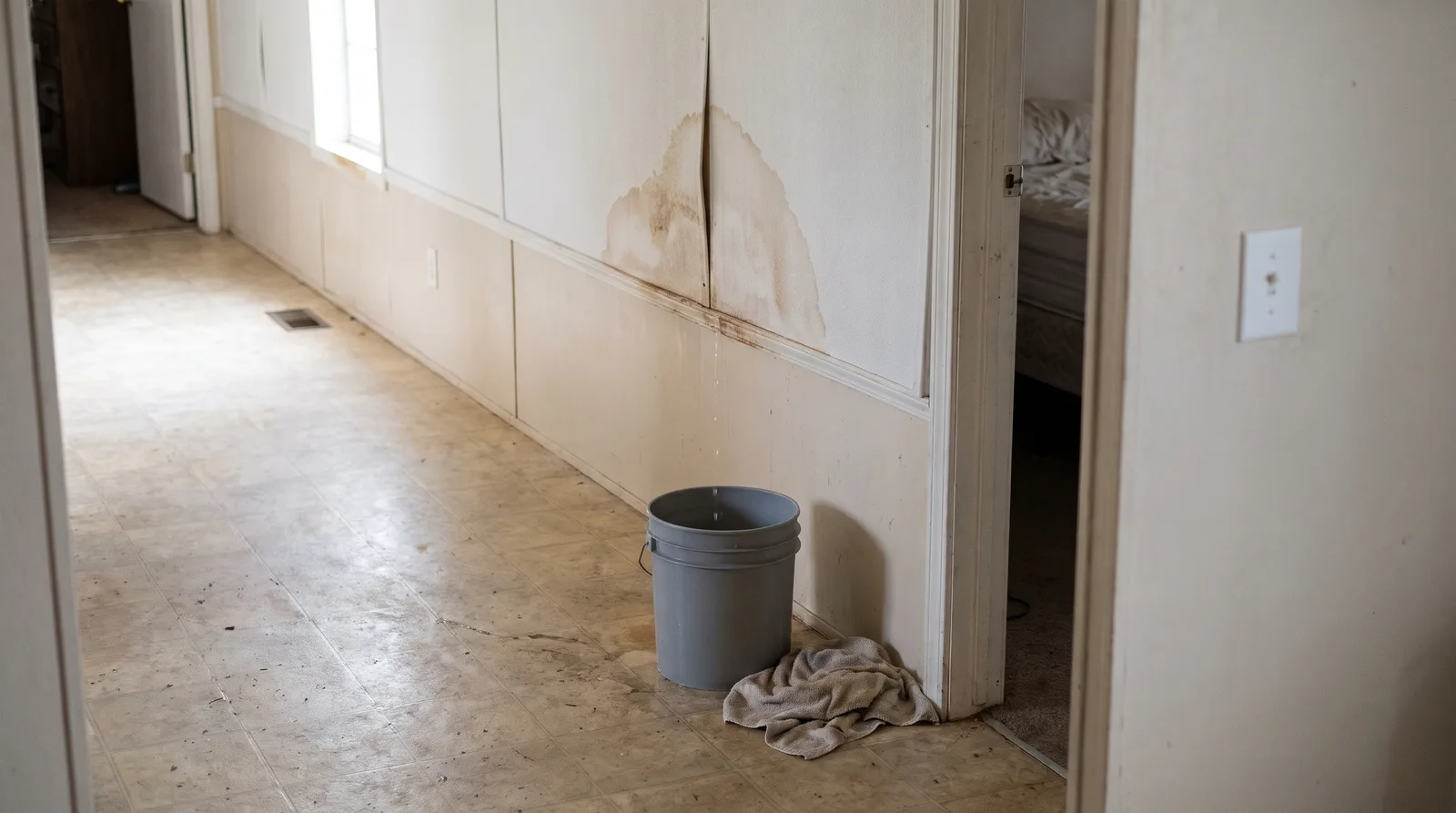
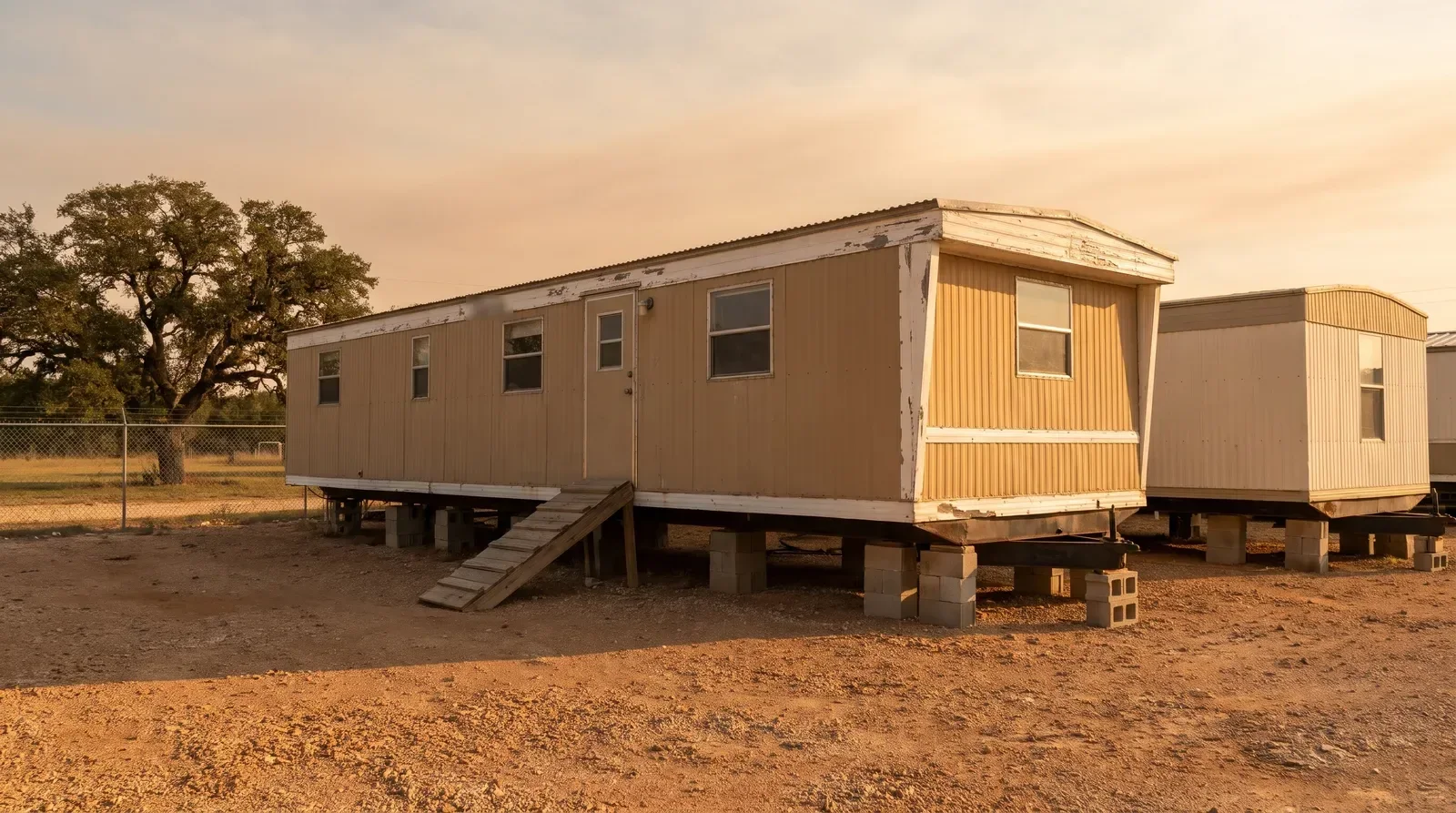
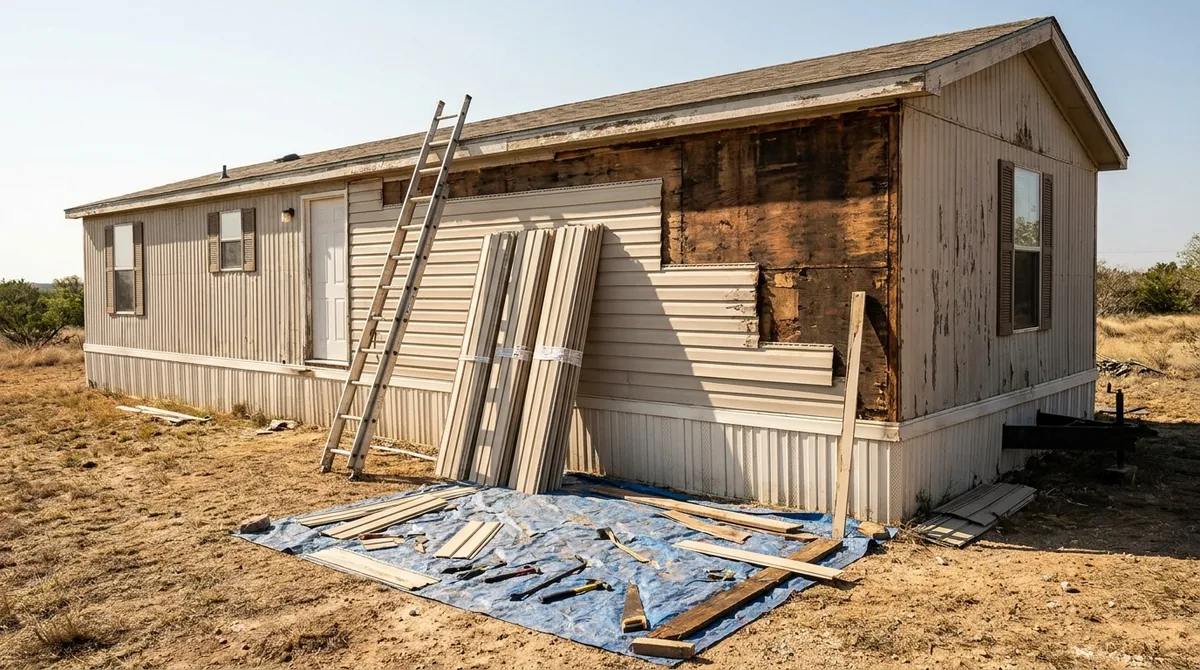
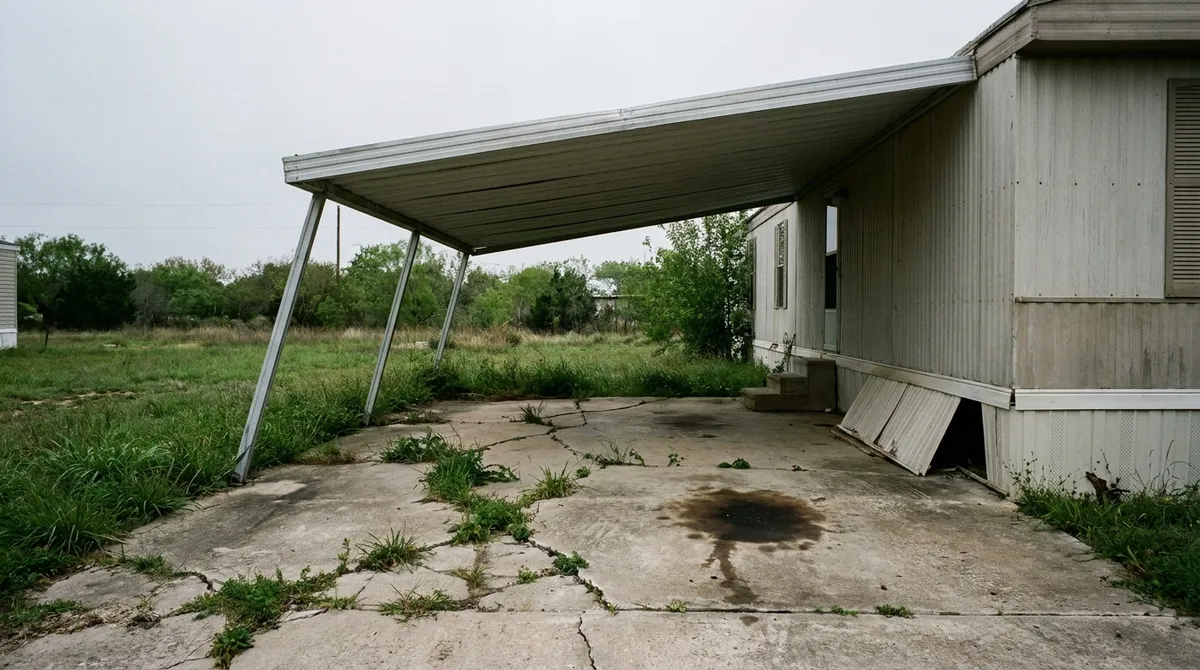
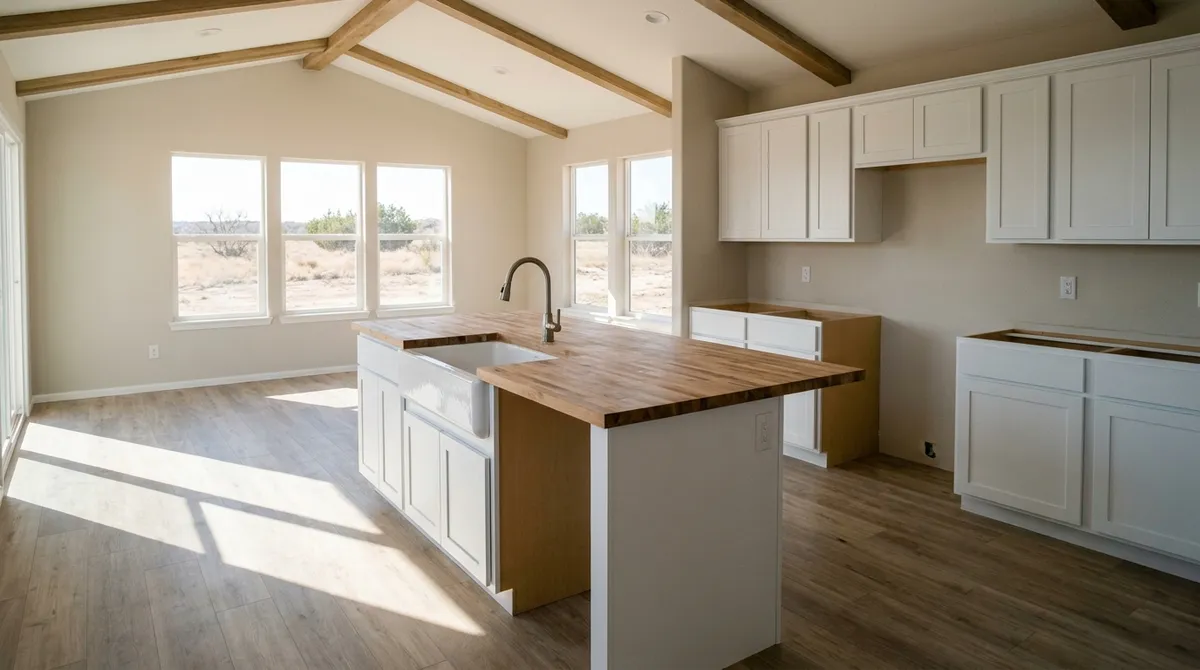
Paint, carpet and a deep clean won't move a cash offer. The floors, the roof, the heating and air, and whether the home can be moved will, so tell us about those first.
Hand the next buyer the park's application before they make an offer, keep showing the home while one buyer is in review, and remember that a buyer who moves the home out doesn't need the park's approval.
When moving, fixing and reselling an older home costs more than it sells for, there's nothing left to pay you. Sometimes we can take it away at no cost to you instead.
The price on your offer and the amount you're paid can differ. Here's what can come out of the price, what we pay ourselves, and how to see your own list before you sign.
A cash buyer pays to move, store, fix and resell your home, so a cash offer sits well below a tax value, a Zillow number or a neighbor's price. When listing would bring more, we'll say so.
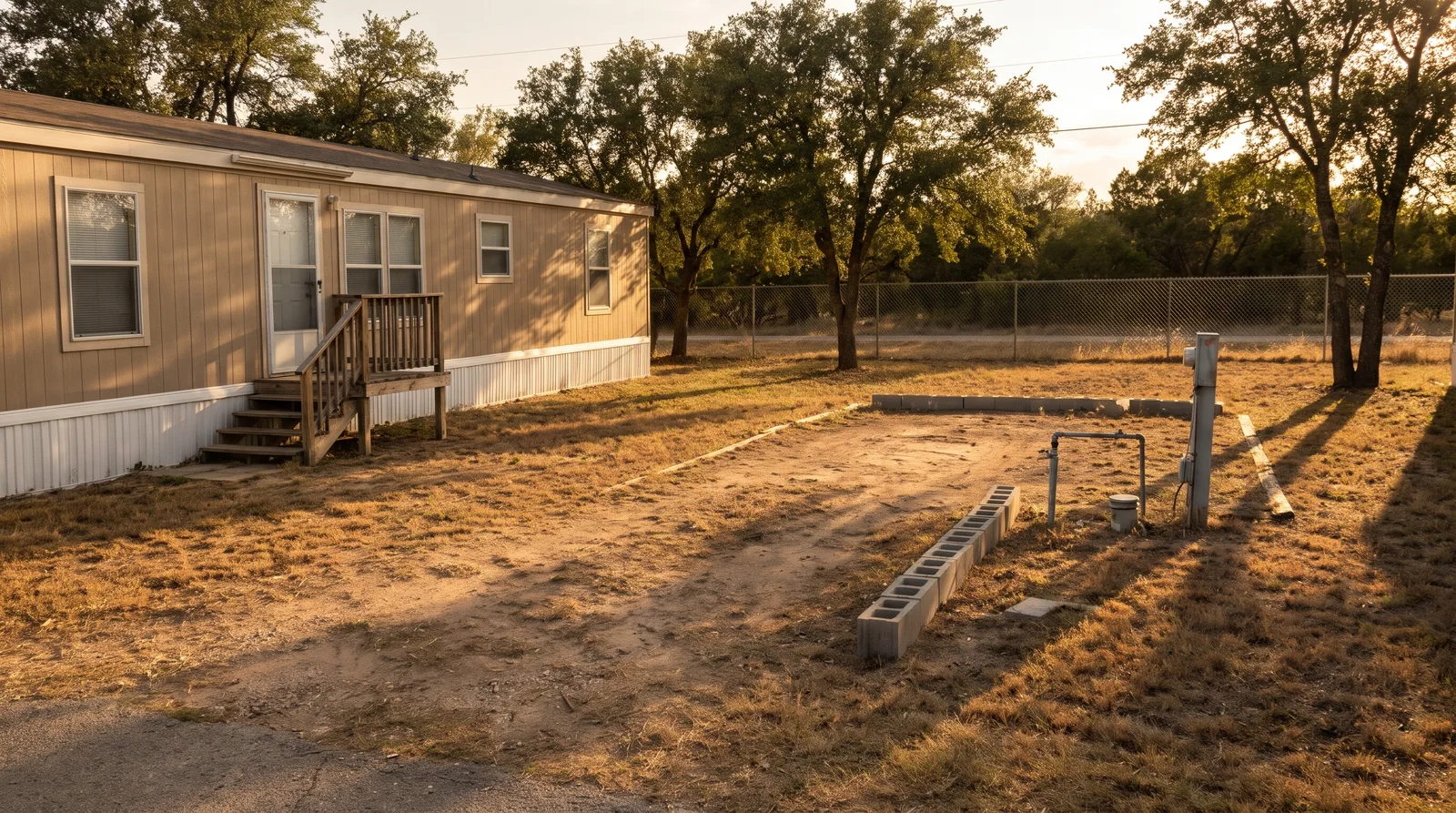
Before you set a price, ask the park whether a new owner can keep the home on its lot. The answer decides who can buy it and what they'll pay.
A cash sale can be set to close around your move. A listing closes whenever a buyer is ready. Settle the sale first, then sign the new lease.
Four steps, usually one to four weeks from your first text to closing. Here's what happens at each step and how to plan your move and your lot rent around it.
The HUD label is outside, low on an end wall of each section. The serial number is on the paper data plate inside. Here's where to look and what to photograph.
There is a licensing reason a Central Texas agent turns down your manufactured home, and it is not snobbery. Understanding it tells you which of these two paths is genuinely open to you, and there are situations where listing is plainly the right call.
There is a line in Texas law that changes the value of a damaged manufactured home more than the damage does. If an insurer pays the full insured value, the home becomes salvage, and salvage cannot be sold to a consumer.
Manufactured home lot tenancies have their own chapter of Texas law, with its own notice periods. Knowing which day you are on tells you how much room you have, and whether selling is still one of your options.
Families rarely lose money on an inherited manufactured home by making a bad decision. They lose it by making a slow one. Here is what actually accrues while heirship gets sorted, and what you can start today.
When two names are on the record, the state needs two signatures, and that is the part that stalls divorce sales. Here is the practical sequence, the documents that unstick it, and how to sell without turning it into a second fight.
The honest answer is that the home is almost never the slow part. Four separate clocks run during a Central Texas manufactured home sale, three of them belong to somebody else, and any one of them can stall the whole thing.
A home on a leased lot needs two approvals to sell, and one of them is not yours to give. A home on land you own needs one. That single difference explains most of the price gap between otherwise identical homes.
Texas does not issue mobile home titles anymore. It issues a Statement of Ownership, and the most common problem is not that the document is lost. It is that the name on it belongs to someone who cannot sign.
Most sellers price the home first and find out what they owe second. That order costs people deals. Here is how to read a payoff quote, what the numbers on it mean, and what actually happens when the payoff is bigger than the offer.
Cash offers are not pulled out of the air. They are an arithmetic problem with about seven inputs. Here is every line a Central Texas buyer runs before a number comes out the other end.
Chattel default timelines, reinstatement vs. short-sale vs. fast cash sale, how to protect your credit and avoid a deficiency judgment in Texas.
Power of Attorney and TDHCA transfer when a parent loses capacity, Medicaid look-back rules, and timing a sale to fund long-term care.
SCRA lot-lease termination rules, remote closing from your next duty station, and 7-14 day cash close for active-duty TX sellers.
Personal Property vs. Real Property classification, severing a home from shared family land, and how to sell the home separately or as a package.
Insurance claim process, TWIA deductibles, assignment-of-benefits red flags, and cash-sale path for Central TX hail and Gulf Coast hurricane damage.
Exterior HUD label vs. interior data plate, IBTS Label Verification letter process, chattel financing impact, and pre-1976 home exceptions.
How MERP applies to manufactured homes, Texas exemptions, hardship waivers, and strategies for heirs to resolve MERP-affected estates.
Automatic stay protection, Texas homestead exemption for manufactured homes, trustee approval, Ch. 13 cramdown, and how to coordinate with a BK attorney.
Why moving a manufactured home across state lines rarely pays, out-of-state rental reality, remote closing logistics, and employer relocation options.
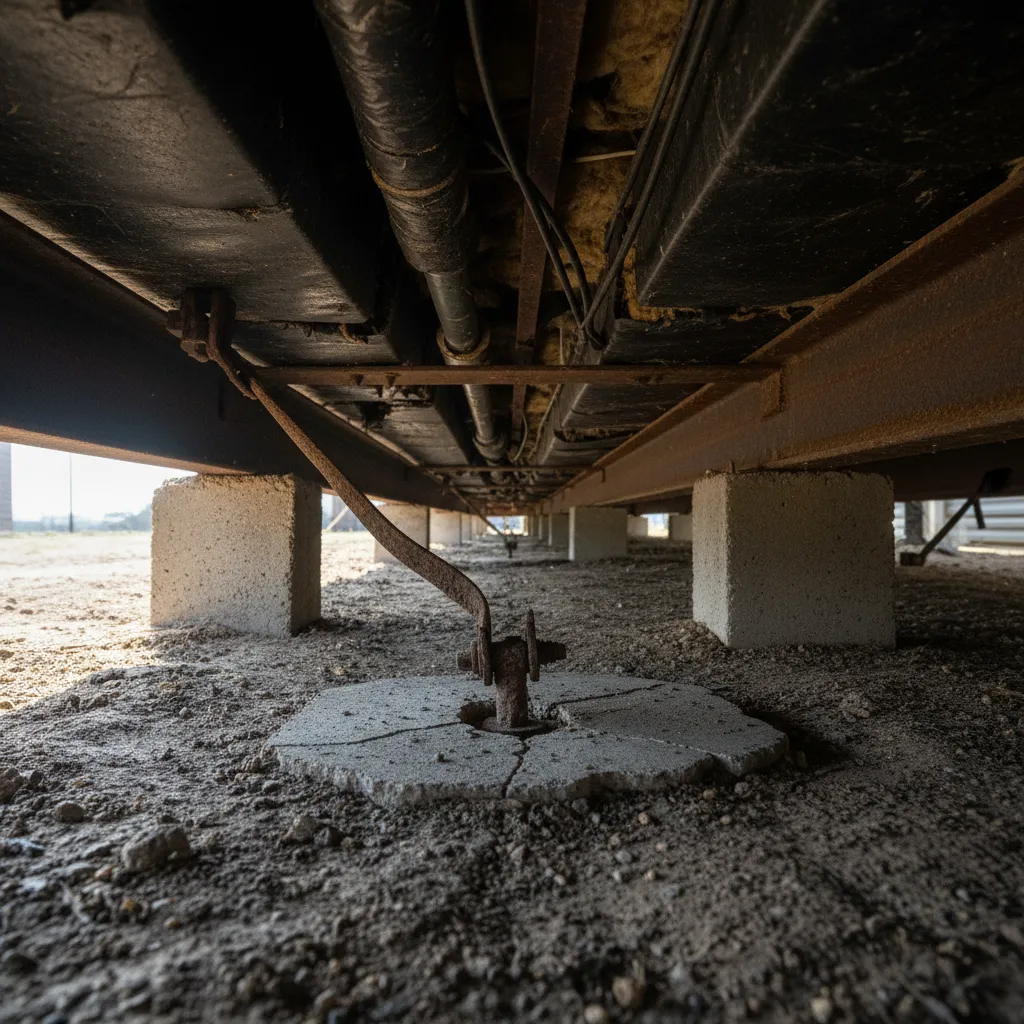
Expansive-clay soil issues, relevel and re-pier costs, wind-zone tie-down compliance, chattel lender reality, and cash-sale vs. repair-then-list math.
Side-by-side timeline and net-proceeds worksheet, commission and holding-cost math, and how to choose between retail listing and a fast cash close.
Austin-metro pricing sources, pre-listing prep, MHVillage + MLS marketing, park approval logistics, and why a TDHCA broker beats a standard realtor.
Week-by-week listing walkthrough — TDHCA prep, photography, marketing launch, offers, chattel financing contingency, and closing. Expect 60-120 days.
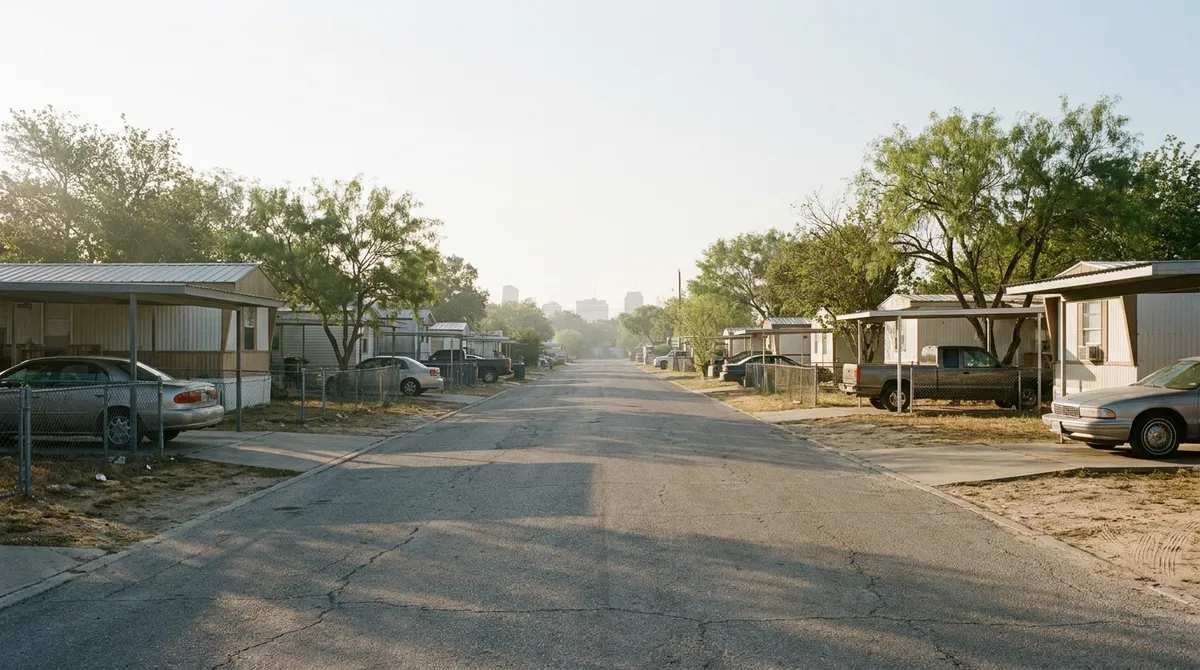
Bexar County market realities, South Side and West Side park patterns, Joint Base San Antonio buyers, and a 7-day cash-offer path from a TDHCA broker.
Inventory trends, chattel rate environment, park consolidation by institutional buyers, insurance pressure, and what 2026 means if you're thinking about selling.
Mobile Bye Bye reports a significant increase in manufactured home owners seeking cash offers amid rising lot rents, insurance costs, and park rule changes across Texas.
Step-by-step guide to TDHCA title transfers, probate, tax implications, and your options for keeping, renting, or selling an inherited manufactured home.
A Texas seller's guide to the 7 factors that determine value, NADA guides, average prices by age and type, and how to maximize your home's worth before selling.
Everything you need to know — market conditions, valuation, selling options, TDHCA titles, step-by-step process, park vs land sales, repairs, taxes, and common mistakes to avoid.
The most comprehensive FAQ on selling manufactured homes in Texas. Covers getting started, selling methods, titles, pricing, park rules, repairs, and specific situations.
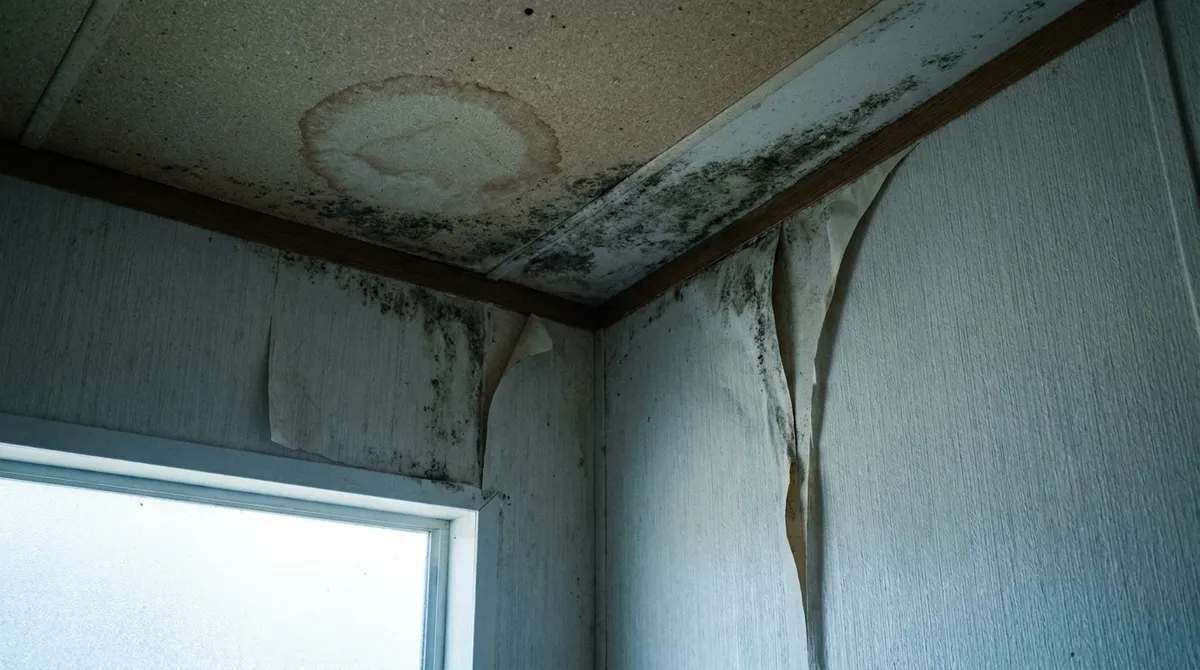
Flood, pipe burst, or roof leak? Handle mold risk, Texas seller disclosure duties, insurance, FEMA zones, and realistic cash-sale options.
Fort Cavazos PCS timelines, Bell County buyer demand, park rules near base, and three fast-sale paths for military and civilian sellers.
Texas mold remediation licensing, the 25-square-foot threshold, disclosure duties, remediation cost math, and when an as-is cash sale just makes more sense.
Bastrop County rural acreage sales, post-wildfire rebuild realities, drive-time-to-Austin appreciation, and a TDHCA-licensed cash-offer path.
Texas community-property rules, temporary orders, buyout vs sale math, and how to close a TDHCA title transfer without a second courtroom fight.
Letters testamentary, independent vs dependent administration, Small Estate Affidavits, and how TDHCA title transfers actually work through a Texas probate.
Comal County Hill Country market, I-35 corridor appreciation, Guadalupe flood zones, and realistic seller options from a TDHCA broker.
Texas Property Code Ch. 94 notice periods, relocation cost realities, and the decision framework for move, sell, or accept buyout scenarios.
McLennan County buyer demand post-Magnolia effect, older housing stock, lot-rent trends, and fast-sale options specific to the Waco market.
Bait-and-switch tactics, assignment flipping, TDHCA license verification, Texas AG consumer protection, and the 5 questions every seller should ask.
Skip the 30-dumpster cleanout. How as-is cash buyers actually value cluttered homes, why cleanouts rarely pay back, and a dignity-focused approach.
Hays County market, Texas State University rental demand, San Marcos River flood plain, and the fastest path to a cash close in town.
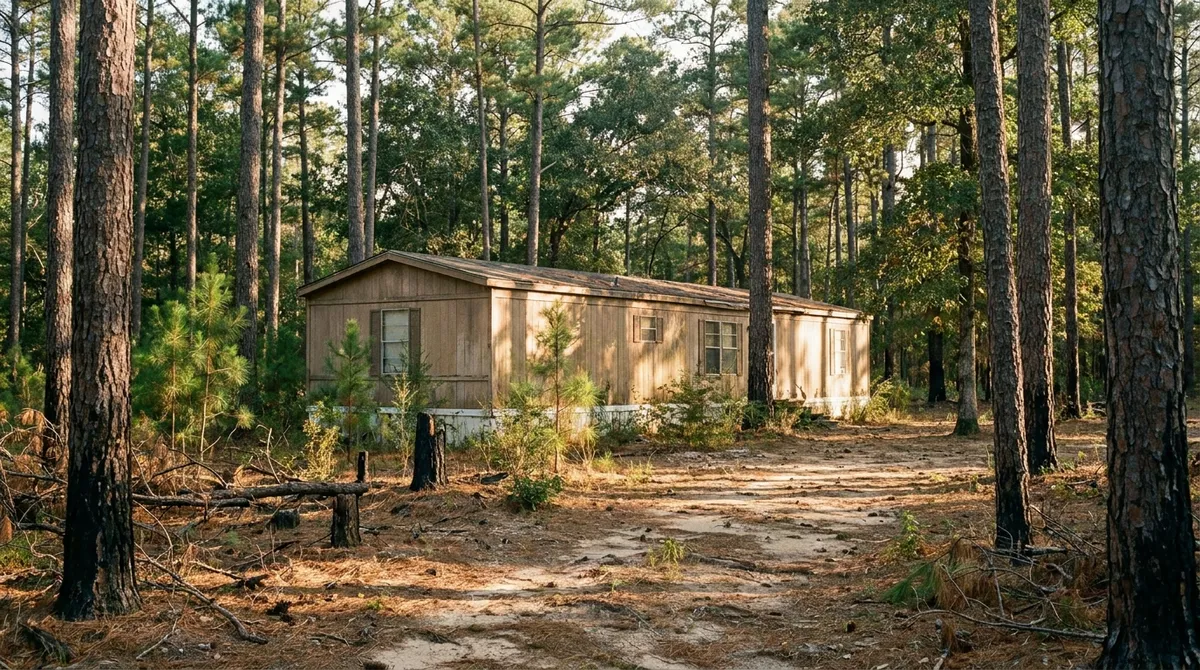
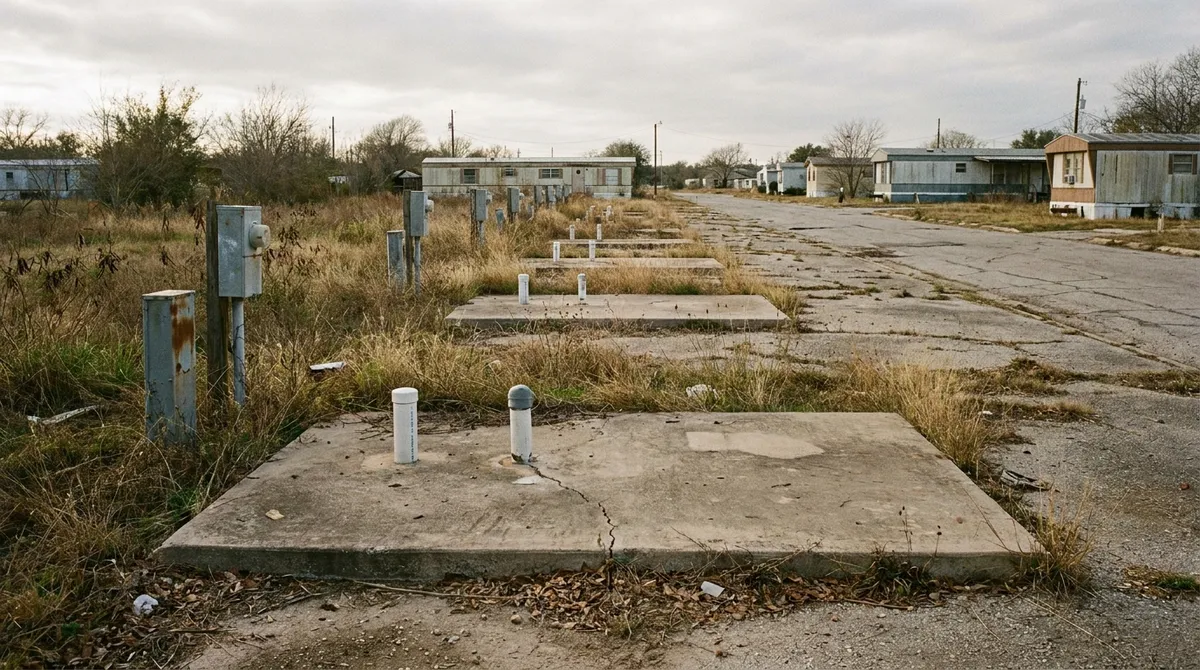
Texas Property Code Ch. 94 abandonment procedures, rural-landowner scenarios, TDHCA bonded title routes, and statutory demolition rights.
Travis/Williamson border, Samsung Taylor ripple effect, park consolidation by developers, and suburban land-value pressure facing sellers.
Chattel, judgment, tax, and mechanic's liens — how payoff letters, TDHCA lien releases, and cash buyers actually clear title at closing.
Short-payoff negotiations, voluntary surrender vs repossession, seller contributions at closing, and what Texas deficiency law actually allows.
Request a duplicate Statement of Ownership from TDHCA, fix broken title chains, and navigate bonded title procedures without months of delay.
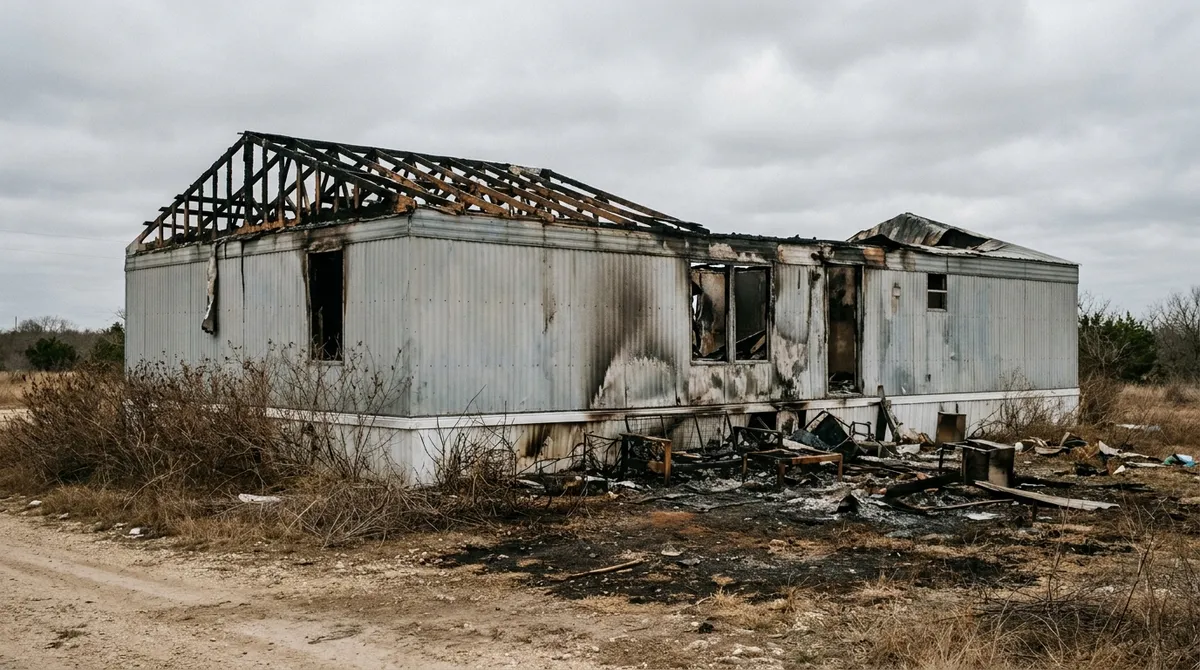
Smoke vs structural damage pricing, insurance loss-payee interaction, park 30-120 day deadlines, demolition versus salvage value decisions.
Leases survive the sale. How to honor tenant rights, transfer security deposits, and attract investor buyers who want turnkey rental cash flow.
No HUD tag means no chattel financing and park restrictions. Real sale paths that work — demolition, salvage, and land-only sales.
A comprehensive guide to navigating park rules, buyer approvals, title transfers, and avoiding lowball park offers when selling your manufactured home.
Everything you need to know about chattel loans — qualifications, rates, pros and cons, and how they compare to traditional mortgages for manufactured homes.
Navigating a buyer's market amid surging inventory. Data on prices, interest rates, buyer demographics, and what it means for sellers and investors.
Know your rights under Texas Property Code Chapter 94. Step-by-step guide to the eviction process, legal defenses, and resources for manufactured home residents.
Price-per-sqft differences, buyer pool contrasts, park lot-size restrictions, and which format actually sells faster in today's Texas market.
Complete guide to selling your manufactured home without an agent — pricing, marketing, paperwork, title transfer, and when to use a TDHCA broker instead.
How to sell a manufactured home requiring relocation — inspections, licensed movers, transport permits, and protecting yourself during the process.
IRS capital-gains rules, IRC §121 primary-residence exclusion eligibility, personal vs real property treatment, and inherited basis step-up explained.
Essential legal considerations for mobile home sellers — state laws, documentation, zoning requirements, contracts, and consumer protection regulations.
NADA guide value versus a full HUD-licensed appraisal — which one lenders, buyers, and insurance actually trust, and when each is worth paying for.
SAFE Act licensing, Dodd-Frank three-property exception, contract-for-deed rules, and what every Texas seller should know before carrying the note.
Practical strategies to speed up your mobile home sale — pricing, marketing, showing tips, and choosing the right selling method for your timeline.
Seven-step TDHCA walkthrough — Statement of Ownership application, notarization, lien release, tax certificate, fees, and common mistakes to avoid.
How Texas taxes mobile homes differently depending on real vs personal property status. Homestead exemption, SOL election, and county assessor rules.
How TDHCA titles work, real vs personal property election, filing fees and timelines, and every form you'll encounter selling a Texas manufactured home.
Run a TDHCA Statement of Ownership search, UCC-1 check at Texas SOS, and county judgment/tax-lien lookups — the $0 due-diligence every buyer and seller needs.
Depreciation rates, year-by-year value tables, factors that influence value loss, and tips to minimize depreciation on your manufactured home.
We're now a licensed TDHCA brokerage offering full realtor services for manufactured homes — list for top dollar or sell for cash.
Pros and cons of using a TDHCA-licensed broker vs selling on your own. Understand commissions, expertise, and what's right for your situation.
Complete guide to mobile home relocation — permits, hiring licensed movers, preparation steps, and what to expect during transport.
Why cash sales beat FSBO and realtor listings — speed, certainty, no fees, no repairs, and 22 more reasons to consider a cash offer.
Why mobile homes lose value over time — age, location, land ownership, maintenance, market conditions, and what you can do about it.
Compare the most popular manufactured home models in Texas — Lulamae, Westfield Classic, La Belle, Country Manor, and Patriot.
Market statistics, growth trends, pricing data, and the future outlook for manufactured housing in Central Texas and nationwide.
The definitive guide to selling your manufactured home — on-market vs off-market, title transfers, financing options, repairs, and choosing the right path.
Compare selling methods — FSBO, realtor, and cash buyer. Understand costs, timelines, and which approach works best for your situation.
Steps to take if you're behind on lot rent or facing eviction — from negotiating with your park to legal options and assistance programs.
The hidden risks of selling your mobile home yourself — pricing mistakes, buyer problems, legal pitfalls, holding costs, and emotional toll.
Three key pricing factors — condition, comparable sales, and market climate. Plus a practical 4-step method to estimate your home's value.
Five ways to sell your mobile home — FSBO, park buyout, realtor, investor, or Mobile Bye Bye. Pros, cons, and what to consider for each.
Essential preparation steps — inspect core components, fix visible issues, improve curb appeal, deep clean, and stage your home for maximum buyer appeal.